The Elusive Tayra: Moving Through Peru’s Forest Shadows
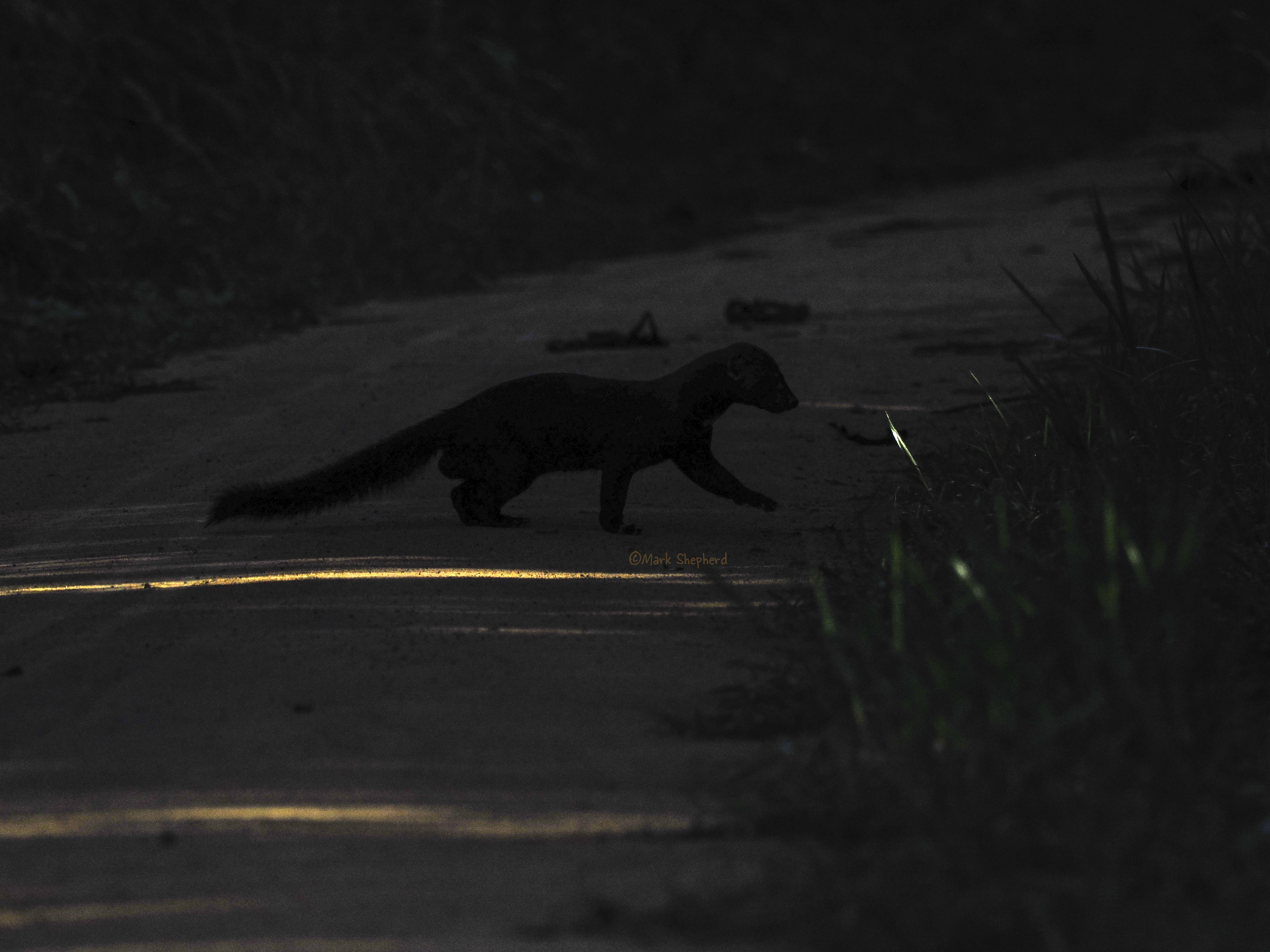
The Elusive Tayra: Peru’s Hidden Carnivore
In the forests of Peru, a sleek and restless predator moves largely unseen. The tayra, Eira barbara, slips through rainforest understory and cloud forest canopies with speed and confidence, rarely lingering long enough to be noticed. Although it ranges across much of the Neotropics, the tayra remains one of Peru’s least understood carnivores, not because it is rare, but because it excels at staying out of sight.
Unlike iconic predators such as jaguars or pumas, the tayra does not rely on size or power. Instead, it survives through adaptability, intelligence, and constant motion, traits that make it both successful and difficult to study.
A carnivore that thrives in many forests
Peru’s remarkable ecological diversity provides ideal conditions for tayras. They inhabit lowland Amazon rainforest, foothill forests, and Andean cloud forests, sometimes ranging from near sea level to high elevations along the eastern Andes. This wide distribution sets the tayra apart from more specialized carnivores that depend on narrow habitat types.
Because tayras tolerate forest edges and secondary growth, they can persist in landscapes altered by human activity. As forests fragment, this flexibility allows them to move between patches where other predators might disappear. Even so, they remain elusive, rarely photographed and often detected only through fleeting sightings.
Daylight hunters in a shadowed world
Unlike many carnivores, tayras are primarily active during the day. They travel long distances while foraging, moving seamlessly between ground and trees. Strong limbs and sharp claws allow them to climb with ease, raid nests, or pursue prey through dense vegetation.
Tayras usually live alone, maintaining large home ranges that overlap only briefly during the breeding season. When confronted, they rely on speed rather than aggression, vanishing into cover with remarkable agility. This behavior reinforces their reputation as ghosts of the forest, present but seldom observed.
An opportunistic and intelligent feeder
The tayra’s diet reflects its adaptability. In Peru, it feeds on small mammals, birds, reptiles, insects, and eggs, while also consuming fruit, honey, and carrion. This mixed diet reduces dependence on any single food source and allows tayras to adjust quickly to seasonal changes.
By eating fruit, tayras may even contribute to seed dispersal, linking them to both predator and forager roles within the ecosystem. This flexibility helps explain their survival in environments where prey availability fluctuates throughout the year.
Ecological importance beyond visibility
Although rarely seen, tayras play an important ecological role. As mid-sized predators, they help regulate populations of rodents and other small animals. This influence can reduce crop pests near forest edges and support broader ecosystem balance.
In areas where larger predators have declined, tayras may fill part of the ecological gap, maintaining pressure on prey species and contributing to forest health. Their presence often signals functional, connected habitats rather than pristine wilderness alone.
Conservation challenges in a changing landscape
Tayras are not currently considered endangered, but they face growing threats in Peru. Deforestation, road expansion, and agricultural development reduce forest connectivity, which tayras depend on for movement and foraging. While their adaptability offers some resilience, continued habitat loss could isolate populations over time.
Protected areas and forest corridors play a crucial role in preserving tayra habitat. Because the species remains understudied, increased research and monitoring are essential for understanding long-term population trends.
A predator defined by subtlety
The tayra does not dominate headlines or tourist brochures, yet it embodies a different kind of success. It survives through intelligence, versatility, and restraint, moving through Peru’s forests without drawing attention to itself. To glimpse a tayra, even briefly, is to witness a predator perfectly adapted to life in motion.
In the end, the mystery of the tayra is not about absence, but about presence without spectacle. It reminds us that some of the most important animals in an ecosystem are the ones we almost never see.

